Format Is the Brief Now, Not the Afterthought
Vodka in pouches, protein bars in tins, collagen in boxes worth keeping — the container is doing strategic work that used to belong to the logo. Format choice is brand positioning.
The packaging category used to be downstream of brand strategy. You built the brand, then you figured out what to put it in. That sequence is quietly reversing.
Noiseless dropped vodka in a pouch — not because pouches are cheaper or greener, but because the format breaks the visual code of premium spirits entirely. That disruption *is* the brand idea. David Protein moved into tinned fish, citing the tin itself as the reason. The Dieline headline practically writes the brief: the tin is mightier than plastic-wrapped cod. The container is the argument.
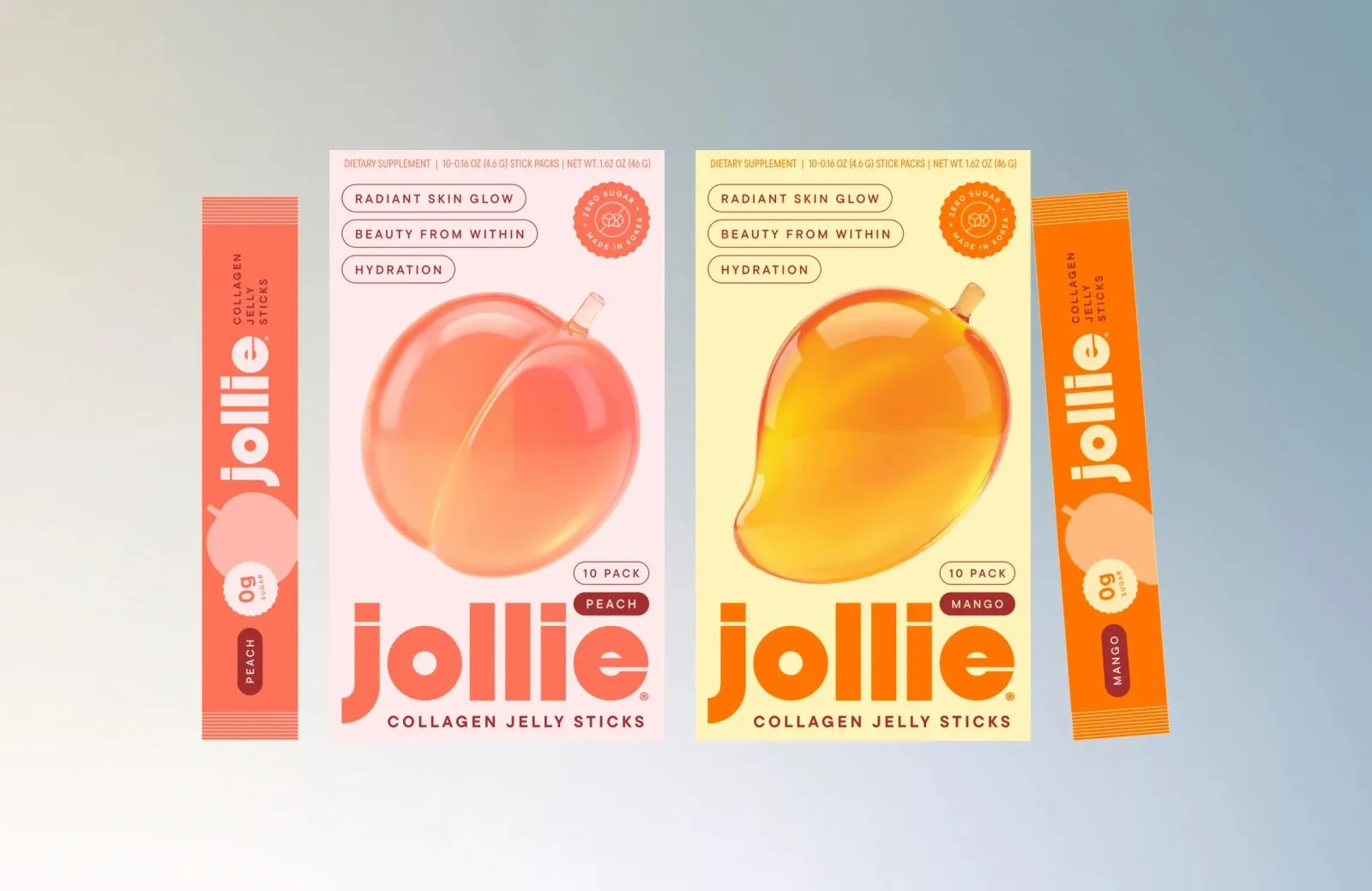
Jollie's collagen packaging is so considered that people are reporting wanting to keep the box. That's not a packaging win — that's a retention mechanic. The brand lives on the shelf after purchase.
What connects these three is a shift in how founders and designers are thinking about form. Format is no longer selected from a shortlist of category defaults. It's being chosen as a primary differentiator — before the color palette, before the copy, sometimes before the product line is fully settled.
For any brand building from scratch right now, the question worth asking early is: what does our format say that our name can't? If the answer is nothing, that's a missed brief, not a neutral choice.
The container is already speaking. The only question is whether you wrote what it says.