Heritage Is the New Luxury Flex
From a Monte-Carlo hotel perfumery revival to Palace's Shanghai garden store, the most covetable things right now are steeped in existing history — not invented from scratch.
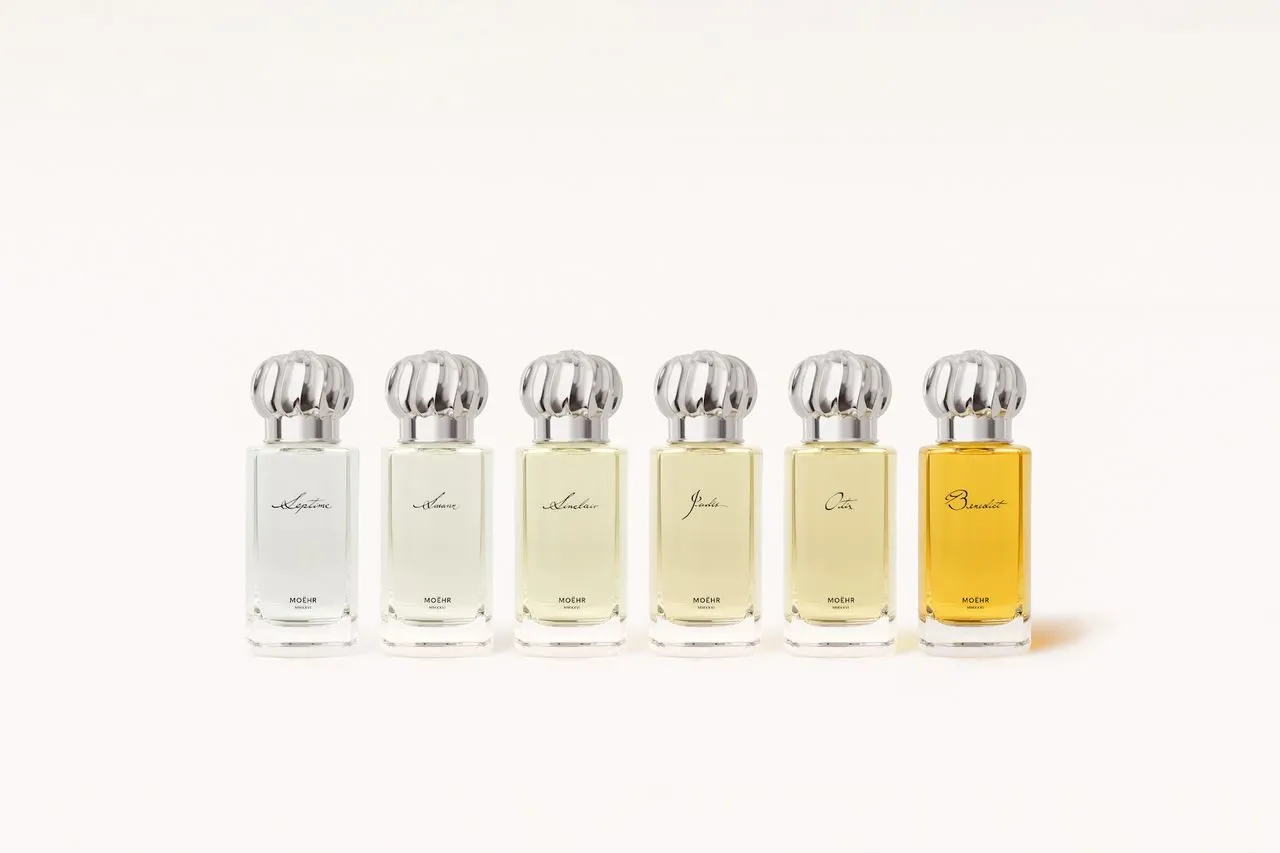
The cleanest signal in this week's headlines: luxury is borrowing credibility from the past rather than manufacturing it.
Two brothers are reviving the Grand Hôtel de Monte-Carlo's historic perfumery — not launching a new fragrance brand, reviving a dead one. Palace opens in Shanghai inside a space that quotes traditional Chinese garden architecture. A centuries-old Belgian farmhouse turns out to be hiding a 1920s-style nightclub underground. Even Marriott's new Design Shop is selling you a hotel-room feeling for your own bedroom — trading on decades of aspirational hospitality rather than any product innovation.
This is a meaningful shift from the last decade's obsession with radical newness. Consumers — at least the ones reading *Wallpaper** — are treating provenance as proof. The story of where something came from, what it displaced, what it preserved, is doing more brand work than the thing itself.
For brands, this is a strategic prompt, not just a styling trend. If you have history — a founding story, a specific place, an original material — stop treating it as background and start treating it as the product. If you don't have history, the move is to attach yourself to something that does: a site, a craft tradition, an archive.
Making something feel new is increasingly table stakes. Making it feel *earned* is the harder, more durable play.
Sources
- Two brothers revive the historic perfumery of the Grand Hôtel de Monte-Carlo Wallpaper*
- Inside Palace’s new Shanghai store, a play on the traditional Chinese garden Wallpaper*
- This centuries-old Belgian farmhouse is hiding a 1920s-style nightclub beneath it Wallpaper*
- Turn your bedroom into a hotel room with Marriott’s new Design Shop Wallpaper*