Nature in Brand Spaces Is Getting Structural, Not Decorative
A São Paulo home carved around a tropical garden, Albanian housing composed from forested timber volumes — nature is moving from brand aesthetic to architectural logic. There's a difference, and it's becoming visible.
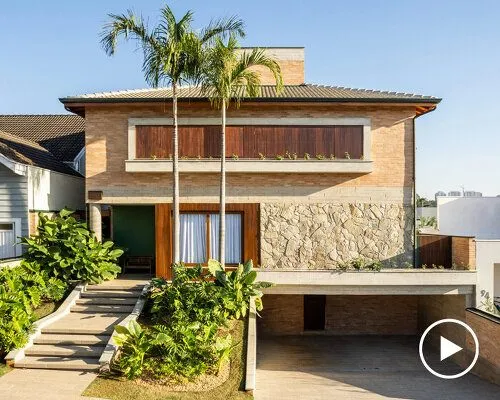
Two projects this week make the same quiet argument. A house in São Paulo organises its entire living plan around a tropical garden — the greenery isn't accent, it's the reason the rooms exist. In Albania, Arup's mountain housing is made from fragmented timber volumes that read as an extension of the forest around them. The building doesn't gesture at nature. It defers to it structurally.
Brands have spent the last decade putting plants in lobbies and calling it biophilic design. That phase is closing. What's replacing it is harder to fake — spatial decisions that actually *depend* on natural systems rather than borrowing their aesthetics for photography.
For brand environments specifically, this raises a real question about intent. A plant wall behind a reception desk communicates something. A building that only makes sense because of the garden at its centre communicates something else entirely. Visitors read the difference, even if they can't articulate it.
The commercial implication is straightforward. If your brand operates physical spaces — offices, retail, hospitality — and you want nature to do meaningful work in how customers perceive you, the investment has to move upstream into the brief, not downstream into the styling budget.
Structural commitments read as conviction. Decorative ones read as trend-following. Customers who've seen enough of both can tell them apart on arrival.