Nostalgia Is a Toolkit, Not a Costume
H Moser & Cie reworked the Reebok Pump. A Montréal modernist home got a faithful renovation. Brutalist Yugoslav monuments are suddenly in vogue. The best brands are using history as raw material, not reference.
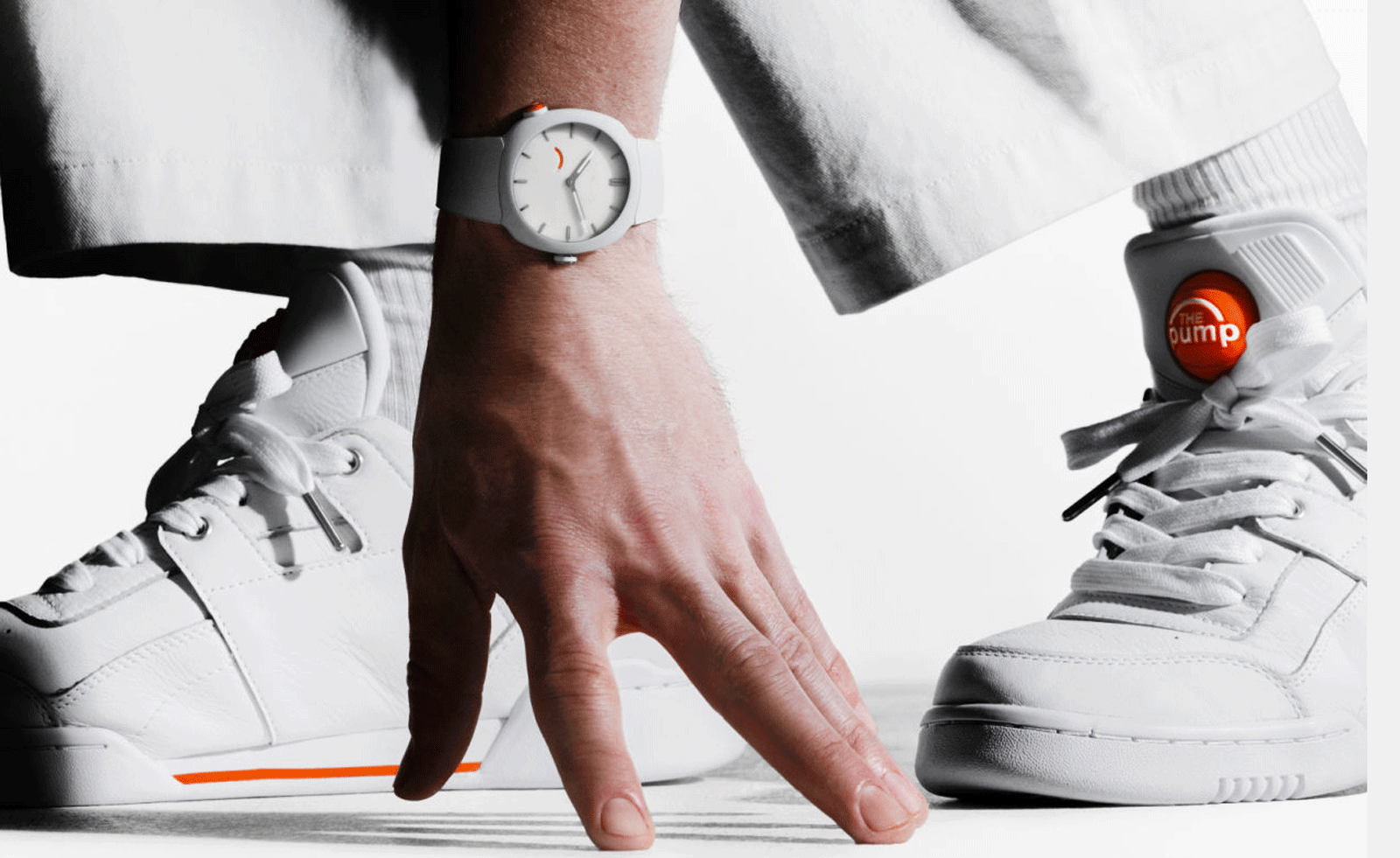
The Reebok Pump was a 1989 basketball shoe with an inflatable collar and a logo you pumped to tighten the fit. H Moser & Cie — a Swiss watchmaker — looked at that object and made a timepiece from it. Not a tribute. Not a collab in the tired sense. A translation: the mechanical logic of inflation reimagined in watch movement.
That's a different project from nostalgia. Nostalgia asks you to remember fondly. This asks you to look at an old thing and find new engineering inside it.
The same instinct is at work in a Montréal modernist home renovation described as 'faithful to its roots' — meaning the architects resisted the urge to update and instead deepened the original. And in the sudden editorial appetite for Yugoslav *spomenici*, brutalist monuments that were built as symbols of unity and then abandoned. They're not being celebrated because they're retro. They're being examined because the problems they tried to solve — national identity, collective meaning, monumental form — are live again.
For anyone building a brand: the question isn't whether your references are old enough or cool enough. It's whether you've done the work to find what's *still true* in them. Costume is easy. Toolkit takes longer.