Regulation Is Coming for Your Label Copy
FDA caffeine labeling is now a priority, and Coca-Cola's prebiotic play means health claims on packaging are under more scrutiny. Brands that get ahead of compliance will own clarity as a design advantage.
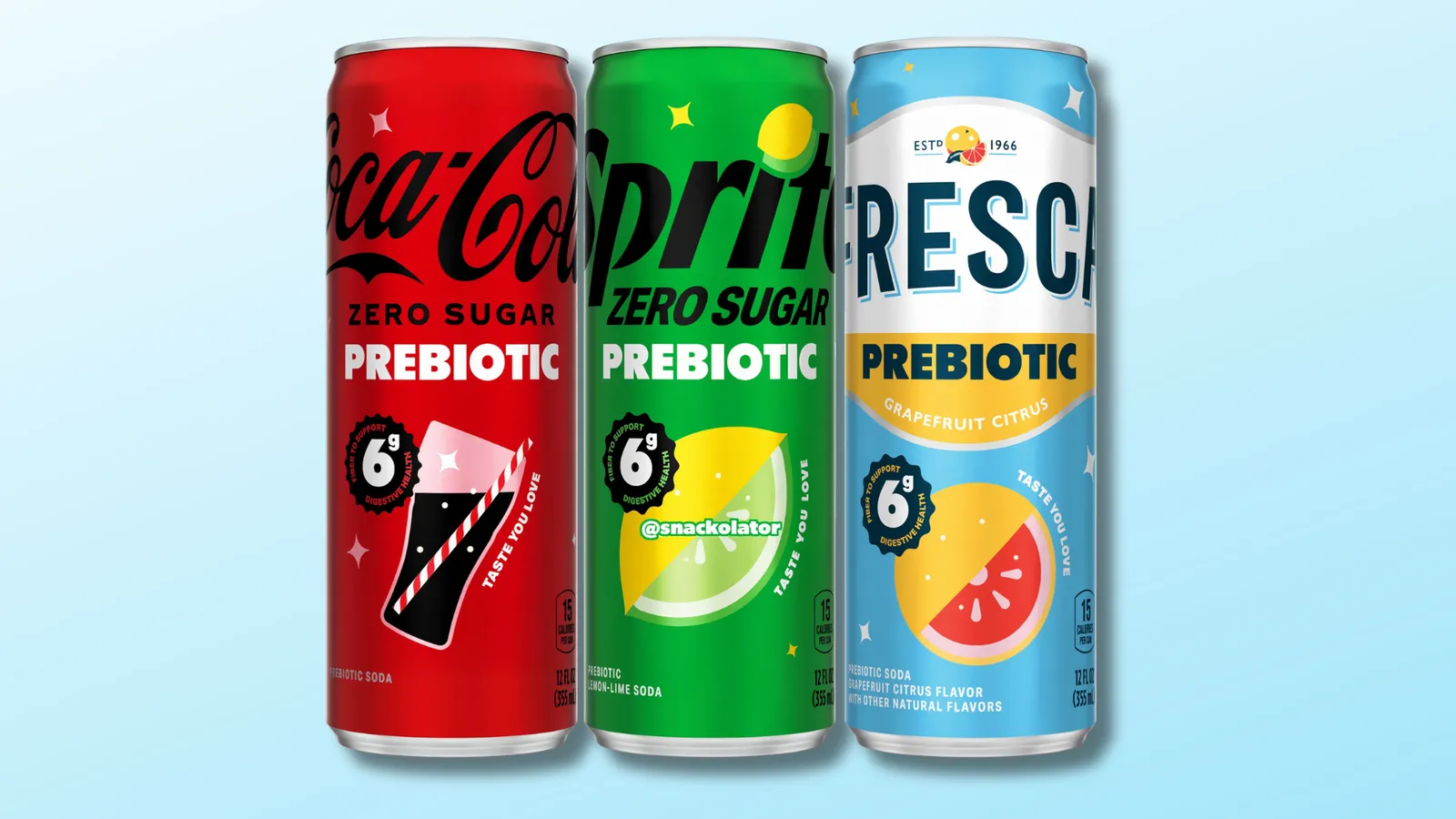
The FDA naming caffeine labeling a priority is not a niche regulatory footnote. Energy drinks, functional sodas, and pre-workout formats have spent years in a grey zone where caffeine quantities were technically disclosed but buried. That window is closing.
At the same time, Coca-Cola is reportedly preparing a prebiotic soda line — entering a space already crowded with brands making gut-health claims that range from well-evidenced to barely plausible. When a company of Coke's scale enters a category, regulatory attention follows. The FTC and FDA have both signaled that functional and health-adjacent claims on packaging are on the watch list.
For packaging designers, this creates a concrete near-term problem: how do you design a label that's compliant *and* still persuasive? The lazy answer is to treat compliance as a legal constraint that fights with the design. The better answer is to treat mandated information — caffeine per serving, probiotic strain specifics, calorie counts — as raw material that, if designed well, builds consumer trust rather than cluttering it.
Brands that get ahead of this won't just avoid fines. They'll own legibility as a brand value at a moment when the category around them is getting noisier. Clarity, it turns out, is a competitive position.