Restraint Sells Again, Loudly
Minimalism is back — but not as an aesthetic mood board. From Max Lamb's material-efficient chair to Dali's one-box audio system, reduction is being marketed as the premium position.
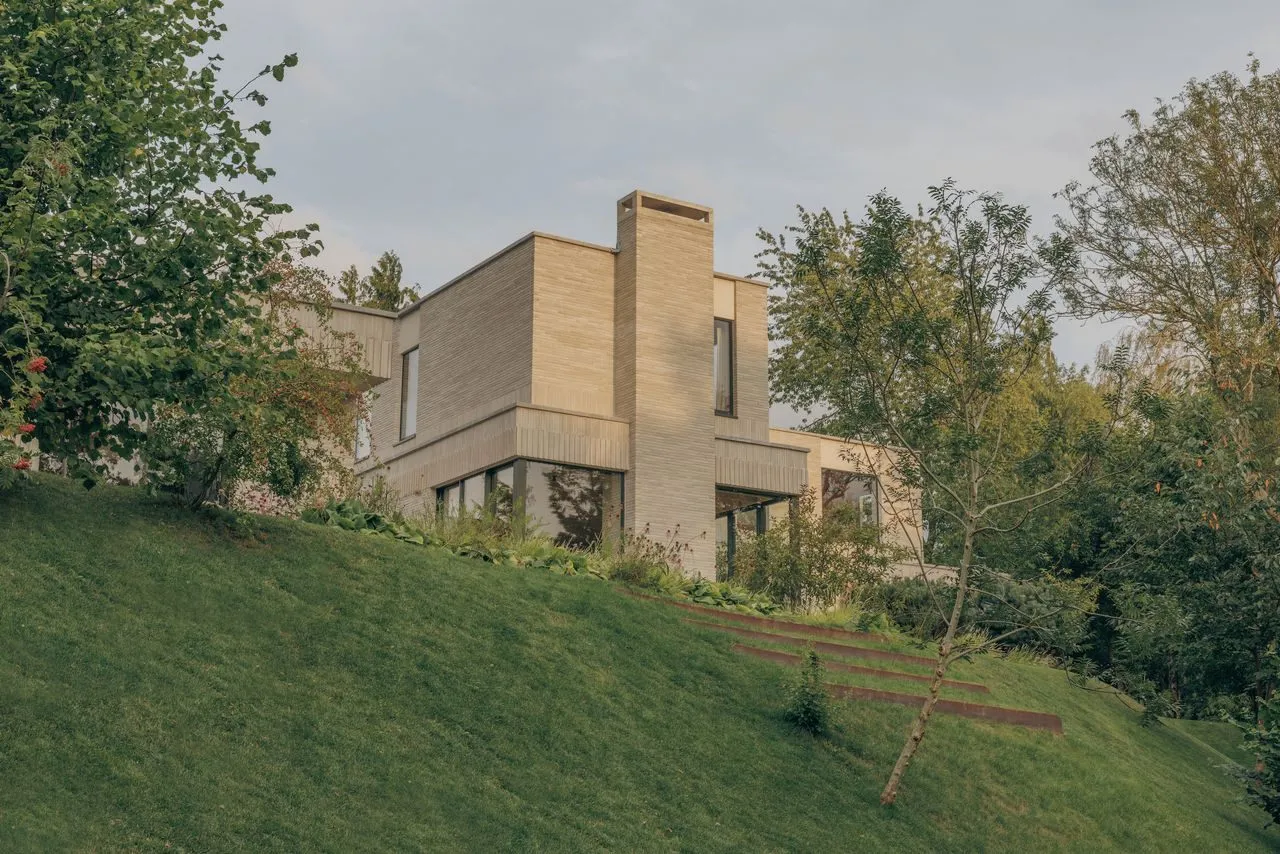
Max Lamb debuts a chair for Hem built around material efficiency — not as an environmental footnote, but as the lead design idea. Dali releases a one-box audio system that combines what used to take a rack of components. A Norwegian cabin is built using Viking boat-building traditions: structural logic over ornamentation. A riverside home in the British countryside is described as uniting minimalism and nature, as if those two things need reuniting.
The pattern here is that restraint has stopped being passive. It's being sold as a position — a signal of confidence that the maker didn't need to add more.
That's a different message than the minimalism of the 2010s, which was mostly about clean surfaces and neutral palettes as taste markers. What's emerging now is *functional* reduction: fewer parts, longer life, less explanation needed. The Dali system doesn't ask you to build a system around it. The Lamb chair doesn't ask you to justify the material. They're pre-edited.
For product and brand people, this is worth watching closely. The consumer who buys into this logic isn't cutting corners — they're paying a premium to have fewer decisions made for them. Simplicity, properly executed, is a high-margin idea. The challenge is that it requires real conviction at the design stage, not just a stripped-back art direction pass at the end.
Sources
- A serene riverside home in the British countryside unites minimalism and nature Wallpaper*
- Inside a Norwegian cabin inspired by Viking boat-building traditions Wallpaper*
- Max Lamb debuts materially-efficient chair for Hem Wallpaper*
- The new one-box Dali Vega system combines audio excellence with timeless Danish style Wallpaper*