When Brand Philosophy Shows Up on the Can
Wuben Craft Beer grounding its identity in ancient Chinese philosophy and Yeti replacing its name with 'four-letter words' both point to the same instinct: put a real idea on the pack, not just a logo.
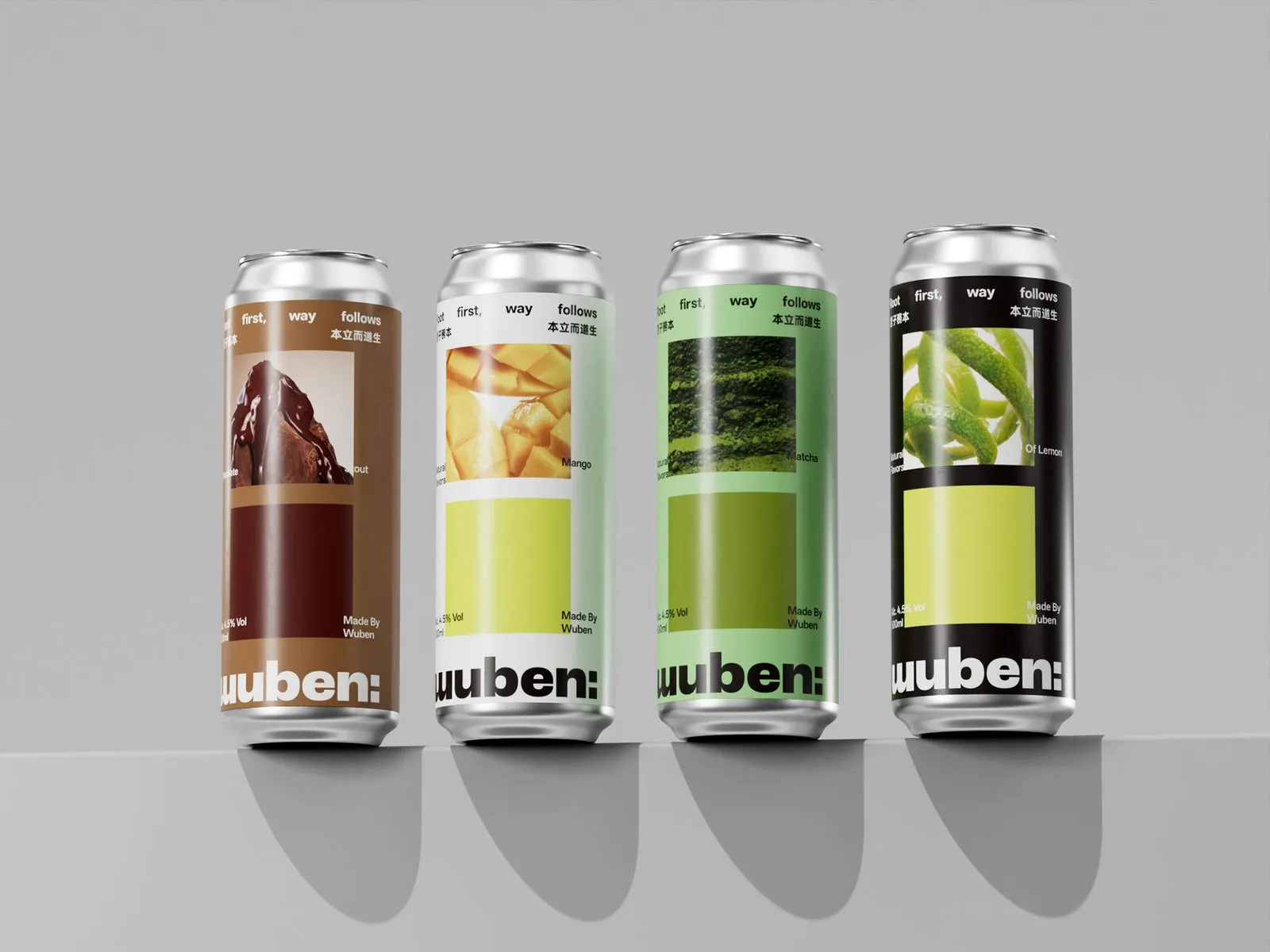
Wuben Craft Beer didn't pick a philosophy because it tested well in focus groups. Ancient Chinese thought — with its weight and specificity — became the visual and verbal backbone of the brand. That's a high-commitment decision. It demands that the design actually deliver on the concept, not just gesture at it.
Yeti's W+K campaign takes a different route to a similar place. Replacing your own brand name with 'four-letter words' — presumably words like COLD, WILD, HAUL — is a confidence move. It says the brand is secure enough to disappear and let the product's attributes carry the identity.
Both approaches share an underlying conviction: that packaging with a real idea behind it performs better than packaging that's purely decorative. Not aesthetically better, necessarily — *commercially* better. It gives salespeople something to say, gives press something to write about, and gives customers a reason to photograph the thing.
The risk with concept-led packaging is execution. Philosophy on a beer can can read as pretentious in under two seconds if the design doesn't earn it. Yeti's move only works because the brand has spent years building the cultural permission to be that blunt.
The lesson for smaller brands is sequencing: the idea needs to be genuinely held before it goes on the pack. Borrowed depth reads immediately as borrowed.