What the studio is reading.
Daily, curated. 5 to 7 items a day across design, branding, packaging, consumer trends, technology, and India. Every link goes to the source.
-
How Brands Like Wendy’s and Planet Fitness Wove Into the Fabric of Bravo Fan Fest
Wendy's and Planet Fitness embedding into Bravo Fan Fest is a case study in brands earning cultural presence by funding the room rather than interrupting it with a thirty-second spot.
Read on Adweek -
DoorDash Buying Instacart Challenges Uber’s $2 Billion Ad Business
DoorDash buying Instacart puts $2 billion of Uber's ad revenue directly in the crosshairs, and the real story is how grocery delivery became a media business almost nobody noticed.
Read on Adweek -

Introducing Geist Serif
Vercel just shipped Geist Serif, a companion to their sans, and it's worth watching how a dev-tools company building its own type system quietly sets the bar for brand coherence in tech.
Read on Vercel blog -

herzog & de meuron to convert former birkenstock warehouse into the eames institute museum
Herzog and de Meuron converting a Birkenstock warehouse into the Eames Institute museum is the kind of brief that only works when the building's past life earns the institution inside it.
Read on Designboom -

The Trust Gap in AI-First Marketing: Why the next competitive advantage will be consumer confidence
Brand Equity makes the case that consumer trust, not personalisation or speed, is the actual moat in AI-first marketing, and Indian brand teams should read this before their next campaign brief.
Read on Brand Equity (Economic Times) -

apple breaks a 16-year design rule with its first touchscreen macbook pro
Apple added a touchscreen to the MacBook Pro after 16 years of refusing to, and the design implications for how people interact with macOS are worth thinking through carefully.
Read on Designboom -

A24’s Popcorn Bucket For ‘You Can See Everything’ Is All About Transparency, Literally
A24 made a popcorn bucket for 'You Can See Everything' out of transparent material, turning the packaging itself into a piece of the film's conceptual argument.
Read on Dieline -

Did Hormel Just Fix Bacon Packaging?
Hormel redesigned bacon packaging to solve the one thing everyone hates about it, resealability, and the fact that this took decades is a useful reminder of how long obvious problems sit untouched.
Read on Dieline -
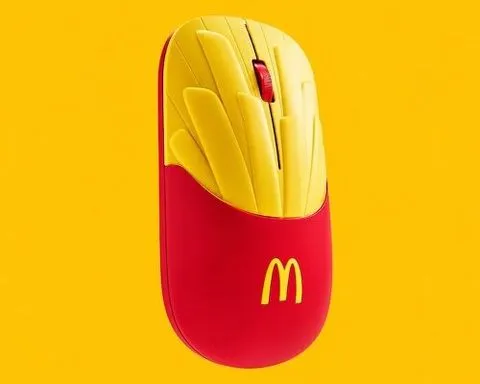
mcdonald’s recycles happy meal toys into wireless mouse shaped like french fries
McDonald's is grinding up old Happy Meal toys into a wireless mouse shaped like french fries: a recycling story that doubles as a product launch and a masterclass in brand-consistent sustainability.
Read on Designboom -
The Sydney Sweeney Effect Can Fade Fast for Brands, Data Suggests
New data shows the Sydney Sweeney brand halo fades faster than brands expect, a useful reality check before any founder signs a celebrity deal on vibes alone.
Read on Adweek -

AI v/s human creativity: In 10 minutes, can a machine make a great idea?
Brand Equity ran a live 10-minute test pitting AI against human creatives on a real brief, and the result is more nuanced than either side of the debate wants to admit.
Read on Brand Equity (Economic Times) -

Nothing Steps Up to Solve the To-Go Coffee Cup Sustainability Dilemma
Nothing, the consumer electronics brand, has designed a to-go coffee cup that takes a real position on single-use packaging, and the execution is cleaner than most sustainability gestures tend to be.
Read on Dieline -

How Jio took its IPO marketing beyond Dalal Street
Jio's IPO marketing went well beyond Dalal Street, targeting retail investors through vernacular media and cricket, a playbook worth studying for any brand trying to reach India at scale.
Read on Brand Equity (Economic Times) -
Google Stock Sinks as AI Mode Pressures Search Ad Growth
Google's stock dropped as analysts flag AI Mode cannibalizing search ad clicks, a structural threat that every brand spending on Google SEM should be pricing into their 2025 plans now.
Read on Adweek -
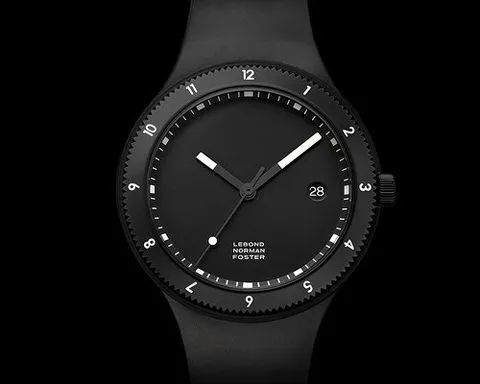
norman foster discusses his first watch with LEBOND and why good design transcends scale
Norman Foster's first watch with LEBOND is worth studying not for the object but for his argument: that design rigour doesn't change whether you're working at the scale of a building or a dial.
Read on Designboom -
AI Won’t Replace Creatives, But It Can Multiply Their Output
Adweek makes the case that AI multiplies creative output rather than replacing it, a framing that's more useful to working creative teams than the usual replacement panic.
Read on Adweek -

Voice Gives Corretto Nero a Shot of Italian Espresso Ingenuity
Voice's packaging for Corretto Nero espresso reframes a commodity product through typographic restraint and Italian cultural cues, proof that a single strong concept still beats a busy brief.
Read on Dieline -
How to Spot a Toxic CMO
A sharp read on the behavioural patterns that make a CMO genuinely toxic to a brand org, useful if you're hiring, being hired, or trying to diagnose why a client relationship keeps breaking.
Read on Adweek -
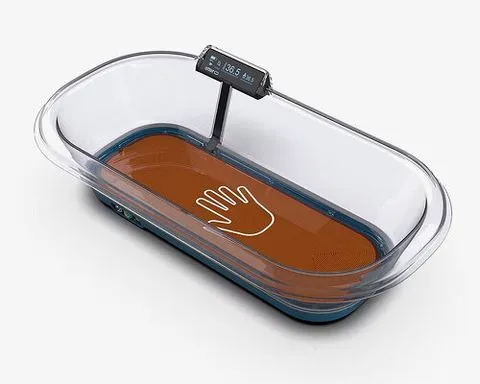
meet otter, the portable newborn warmer designed for hospitals with unreliable power
Otter is a portable newborn warmer built for hospitals with unreliable power, a reminder that the most consequential product design problems rarely show up in design media.
Read on Designboom -

‘Consumers Are Moving Towards Shades Closer to Natural Skin Tone’
Indian consumers are shifting toward foundation and skincare shades closer to natural skin tone, a quiet but commercially significant signal for any brand still defaulting to fair-skewed palettes.
Read on Brand Equity (Economic Times) -
Brandweek 2026: Democratized Marketing Won’t Differentiate Your Brand. ft. Cheryl Guerin of Mastercard
Mastercard's Cheryl Guerin at Brandweek 2026 makes the case that democratized marketing tools are a floor, not a ceiling: everyone has them, so they differentiate no one.
Read on Adweek -
Beyond Going Viral: How Global Fashion Marketing Leaders Create Brands People Care About
Global fashion marketing heads on why virality is a vanity metric and what actually builds a brand people return to, worth reading before your next campaign brief.
Read on Adweek -
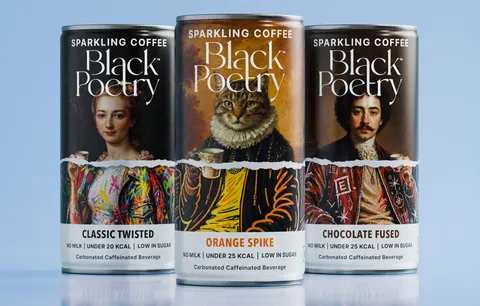
Open Strategy & Design Remixes Classic Art and Graffiti for Black Poetry’s Sparkling Coffee
Open Strategy and Design mashes classic art with graffiti for Black Poetry's sparkling coffee packaging, and the result is one of the more culturally specific label designs in recent memory.
Read on Dieline -
3 design principles in the AI age
Fast Company distills three design principles that actually hold up in an AI-saturated workflow, concrete enough to pressure-test against your own studio process.
Read on Fast Company Design -
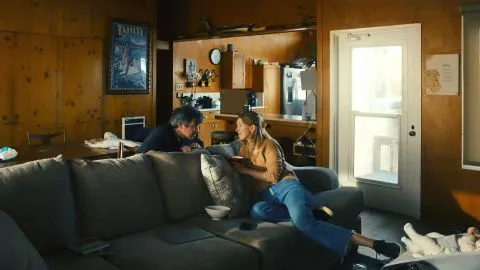
‘You Can See Everything’ and the Exhausting Era of the Silicon Valley Grift
Dieline's sharp take on Silicon Valley's transparency aesthetic: when every brand promises you can 'see everything,' the gesture itself becomes the grift.
Read on Dieline -
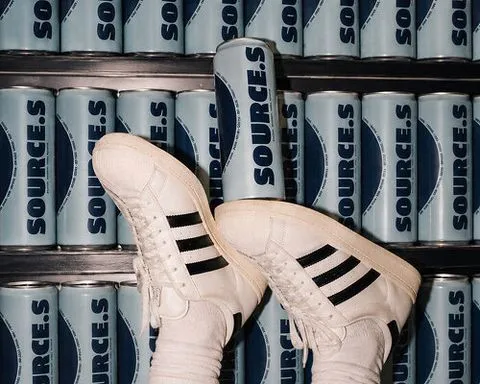
this fictional beverage comes with a real warning about fake news
A fictional beverage brand built entirely as a commentary on fake news, the concept is a useful reminder that the strongest brand ideas sometimes carry an actual argument.
Read on Designboom -

How jewellery brands are selling the festive dream amid high gold prices
With gold at record highs, Indian jewellery brands are leaning harder into emotion and occasion storytelling to justify the price, a case study in selling desire over value.
Read on Brand Equity (Economic Times) -
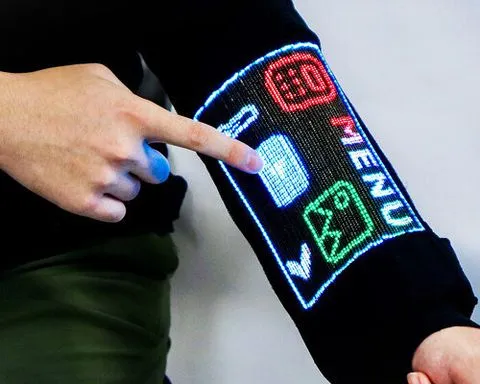
electronic fibers weave touchscreen into sleeve that survives machine washing
Researchers wove electronic fibers into fabric that turns a sleeve into a touchscreen and survives machine washing, early-stage but the kind of material shift that eventually lands on a product brief.
Read on Designboom -
Google Sells Itself As A Commerce ‘Matchmaker,’ Not A Retailer
Google is reframing itself as a commerce matchmaker rather than a retailer, a positioning shift worth watching because it changes how brands should think about product discovery spend on the platform.
Read on Adweek -
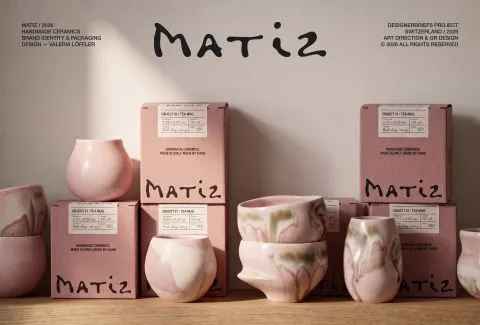
Matiz Makes Room for Imperfection in Its Ceramic Packaging
Matiz built ceramic-inspired packaging that deliberately shows imperfection, a direct counter to the hyper-polished CPG aesthetic that has made every shelf look the same.
Read on Dieline
Get the top 5 stories in your inbox.
A short, daily or weekly digest, curated by the studio. No spam, unsubscribe in one click.